Common issues you can check yourself
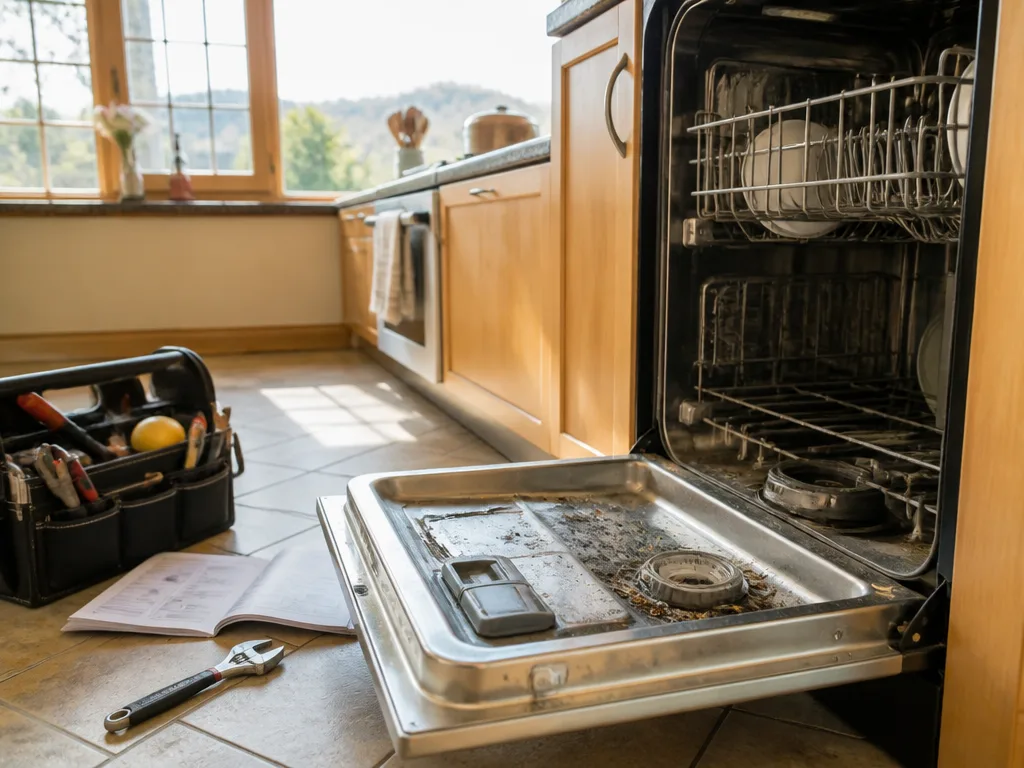
In New Hampshire kitchens, a dishwasher that won’t drain can sometimes be solved by cleaning the filters and checking the drain basket. If dishes come out wet on the inside, you may just need to run a cleaning cycle with a recommended cleaner to remove mineral buildup. Ensure the door seal looks intact and the spray arms spin freely. A clogged food mesh filter is a frequent culprit that a homeowner can address with basic maintenance.
Another DIY step is ensuring the unit is level. An unlevel dishwasher can prevent proper drainage and cause unusual noises. If the water valve leaks when filling, you may notice a small drip that’s visible at the supply line. In many cases these checks are quick and safe for a handy homeowner across New Hampshire.
When to call a pro
If the unit fills but drains slowly, or if you hear buzzing when the pump runs, it’s time to involve an appliance repair specialist. Electrical problems, control panel issues, or a motor that overheats are signals that a professional should handle. In New Hampshire, aging homes may have parts that require specific wiring or calibration to work with your model’s features.
We avoid guessing and provide a clear plan. Our appliance repair specialists diagnose, explain options, and perform needed repairs with genuine parts. If a replacement is more sensible than repair, we outline the tradeoffs in plain terms so you can decide with confidence.
Practical checklists for state-wide homeowners
- Keep the interior door gasket clean and free of crust for a tight seal.
- Run hot water in the sink before starting the cycle to speed up pre-rinse.
- Seasonal maintenance: run a cleaning cycle every 1 to 3 months depending on use.
For New Hampshire residents, a balanced approach is best. Do what you can safely, then call an appliance repair specialist when you feel uncertain. We’ll help you keep your dishwasher reliable across the state.